De cero adivinanzas a cero interrupciones: Cómo Flir y Hi-Tech permitieron la transformación inteligente de la subestación de NALCO
La confiabilidad lo es todo en entornos industriales de alta demanda, y en ningún lugar esto es más crítico que en una fundición de aluminio.
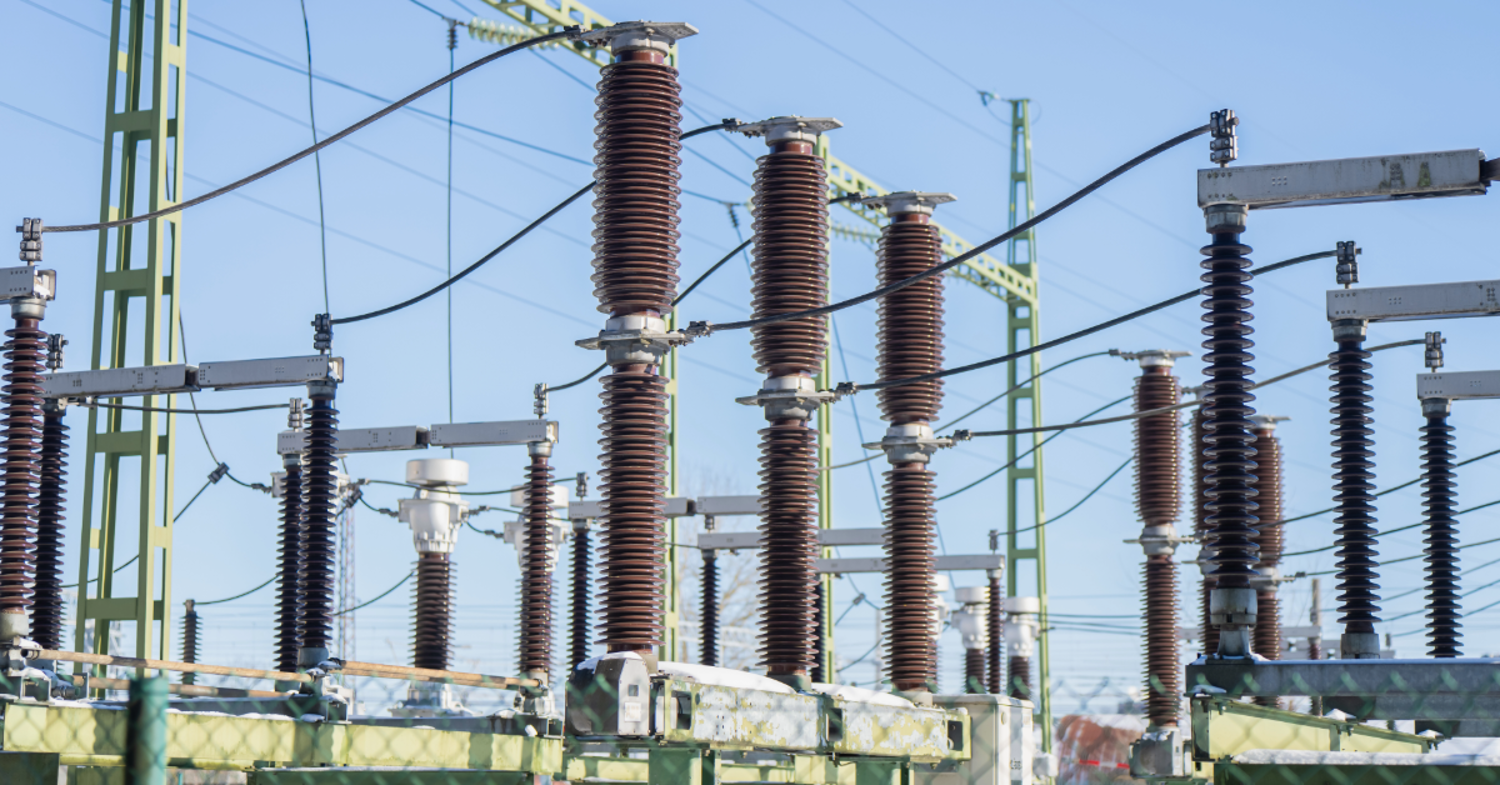
En la planta Angul de NALCO, el equipo de ingeniería se propuso un objetivo claro y ambicioso: eliminar las interrupciones no planificadas al lograr una visibilidad continua en su patio de conmutación de 220kV. En este entorno, incluso una interrupción momentánea del suministro eléctrico puede detener la producción, dañar el equipo y provocar una pérdida financiera significativa.
Lo que se necesitaba no era simplemente inspecciones más rápidas, sino un cambio fundamental en la forma en que se monitoreaban los activos. El equipo necesitaba una forma de ir más allá de las verificaciones periódicas hacia una perspectiva continua y predictiva, una solución que pudiera detectar problemas de forma temprana, reducir la dependencia de la intervención manual y mejorar la seguridad al minimizar la exposición a áreas de alto voltaje.
Al implementar imágenes térmicas y análisis inteligentes siempre activos, Flir ayudó a convertir el patio de conmutación de NALCO en un “patio inteligente” basado en datos donde los activos críticos se monitorean en tiempo real y los riesgos se identifican antes de que se intensifiquen.
Con la solución de Flir en su lugar, NALCO logró:
El cambio al monitoreo automatizado de condiciones permitió al equipo alejarse del mantenimiento reactivo hacia operaciones predictivas impulsadas por conocimientos, lo que proporcionó confiabilidad operativa y ahorros de costos a largo plazo.
 |
 |
Antes de implementar la tecnología Flir, el mantenimiento dependía de inspecciones térmicas manuales y periódicas. Aunque son útiles, estas inspecciones solo proporcionaron instantáneas de la condición de un activo, dejando períodos prolongados donde las fallas podrían desarrollarse inadvertidas. Los problemas podrían surgir inmediatamente después de una inspección y permanecer sin detectarse hasta el siguiente ciclo, lo que aumenta el riesgo de fallas inesperadas.
Las inspecciones manuales también introdujeron inquietudes de seguridad. Los ingenieros debían evaluar los componentes de alto voltaje directamente, exponiéndolos a condiciones peligrosas y riesgos operativos.
Los factores ambientales dificultaron aún más la detección. La humedad alta y las condiciones de funcionamiento duras contribuyeron a la corrosión y las anomalías térmicas que a menudo eran invisibles durante los controles de rutina.
Juntas, estas limitaciones significaban que incluso los regímenes de inspección bien administrados no podían ofrecer el nivel de certeza requerido. Sin monitoreo continuo, la advertencia temprana simplemente no era posible.
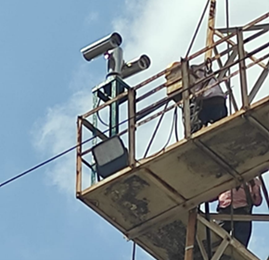
Para abordar los desafíos de mantenimiento de NALCO, Flir trabajó con el socio Hi-Tech para implementar un sistema de monitoreo continuo de condiciones adaptado a sus necesidades operativas, uno que fue diseñado para proporcionar visibilidad completa a través de la infraestructura eléctrica crítica.
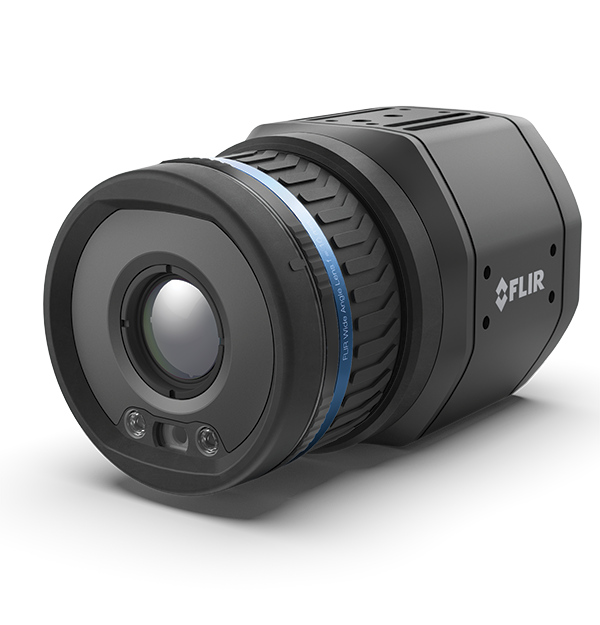
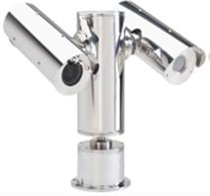
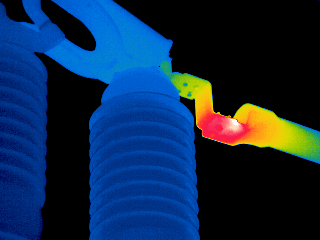
La solución integra cámaras térmicas fijas Flir Axxx, unidades de inclinación horizontal automatizadas y software de monitoreo avanzado en un sistema unificado. Los transformadores, disyuntores y puntos de conexión clave en todo el patio de conmutación ahora se pueden monitorear continuamente gracias al nuevo sistema.
|
Cámara Flir Axxx-Series |
Carcasa PT |
Sitio de instalación |
El enfoque de Flir va más allá de la generación de imágenes, se centra en brindar información procesable.
Las cámaras térmicas de alta resolución detectan incluso variaciones menores de temperatura, lo que permite la identificación temprana de posibles fallas.
Las unidades Pan-tilt automatizan las rutinas de inspección, lo que garantiza un monitoreo constante y repetible sin depender de procesos manuales. Al mismo tiempo, el software inteligente de Flir mapea cada activo y realiza un seguimiento continuo de los datos de condiciones.
Cuando se exceden los umbrales de temperatura, el sistema identifica inmediatamente el componente afectado y activa alertas. Los equipos de mantenimiento reciben notificaciones en tiempo real, lo que les permite responder rápidamente y evitar el escalamiento.
La combinación de detección, automatización y análisis continuos permite a los operadores pasar de flujos de trabajo basados en inspecciones al monitoreo predictivo de condiciones.

El valor real de la transición al monitoreo continuo y automatizado radica en cómo cambia las operaciones diarias.
Para el equipo de NALCO, lo que alguna vez fue un proceso manual y reactivo ahora es automatizado e impulsado por la perspectiva. Con monitoreo continuo y alertas instantáneas, los ingenieros pueden identificar problemas antes, priorizar actividades de mantenimiento y reducir la probabilidad de fallas inesperadas.
Al mismo tiempo, la necesidad de que el personal opere en entornos de alto riesgo se ha reducido significativamente, lo que respalda condiciones de trabajo más seguras.
El resultado es un enfoque más eficiente y proactivo para la gestión de activos, uno que mejora la confiabilidad y la seguridad mientras respalda la producción ininterrumpida.
Al permitir el monitoreo térmico continuo, Flir ha ayudado a NALCO a redefinir la forma en que se gestiona la infraestructura crítica.
En lugar de depender de inspecciones periódicas y respuestas reactivas, el patio de conmutación ahora opera como un sistema predictivo impulsado por datos, donde los riesgos potenciales se identifican y abordan de manera temprana antes de que afecten las operaciones.
Esta transformación demuestra cómo las imágenes térmicas pueden ir más allá de la inspección, proporcionando inteligencia procesable, mejorando la seguridad e impulsando resultados comerciales medibles.
En Flir, el objetivo es simple:
Trabaje con socios como Hi-Tech para ayudar a los operadores industriales a pasar de la incertidumbre al control, convirtiendo las conjeturas cero en interrupciones cero.