
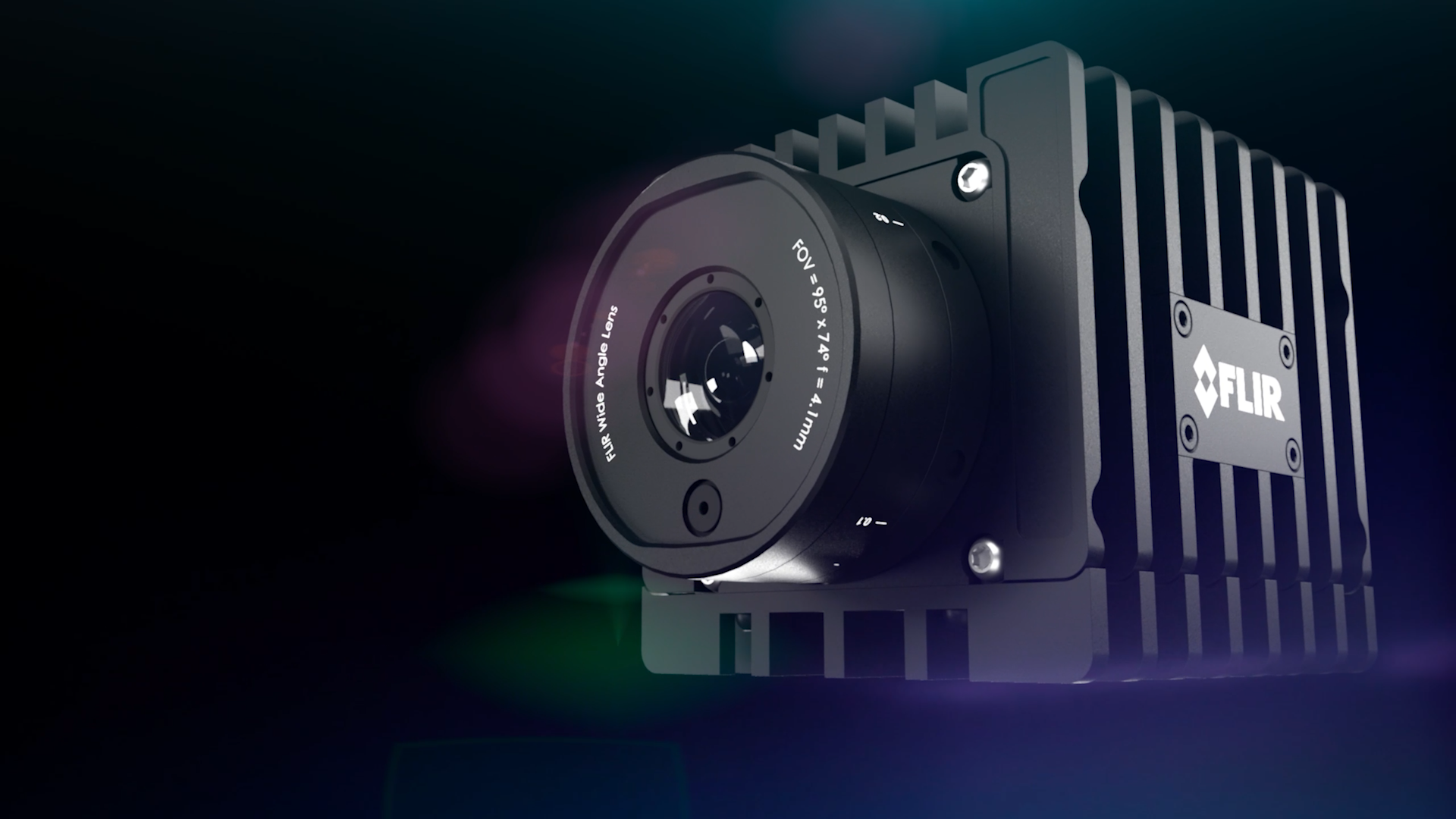
The world's first UL-listed thermal imaging early fire detector, by Teledyne FLIR

Engineered and manufactured by the global leader in infrared technologies. With UL 2684 listing, high-performance thermal imaging detection is now a prescriptive fire alarm initiating device.

Modern industry needs better detection and protected uptime.


Higher capacity, higher density, higher power. Modern facilities carry more fire risk in less
space, with fewer people on the floor to see it coming.

Anything that can catch fire gives off heat first. Industry has relied on thermal imaging for
decades to catch it early. Continuous monitoring makes that warning permanent, and UL
2684 listing makes it the core of a higher-performance safety strategy.

Early Fire Detection by the A70


  • 640 × 480 radiometric thermal imaging plus a 1280 × 960 visual camera for instant context at alarm

  • 35 mK thermal sensitivity and ±2°C accuracy, calibrated at every pixel

  • On-camera alarm logic with up to 20 regions of interest: threshold, rate-of-rise, delta, and area-percentage triggers

  • Alarm, supervisory, and fault dry-contact outputs to the fire alarm control panel; Modbus TCP, MQTT, Ethernet/IP, and ONVIF for SCADA, BMS, and VMS

  • 29°, 51°, and 95° lens options with 3 × 3 pixel detection distances to 125 m (410 ft)

  • IP66, 24 V DC or PoE, rated for indoor and outdoor installation

UL-Listing

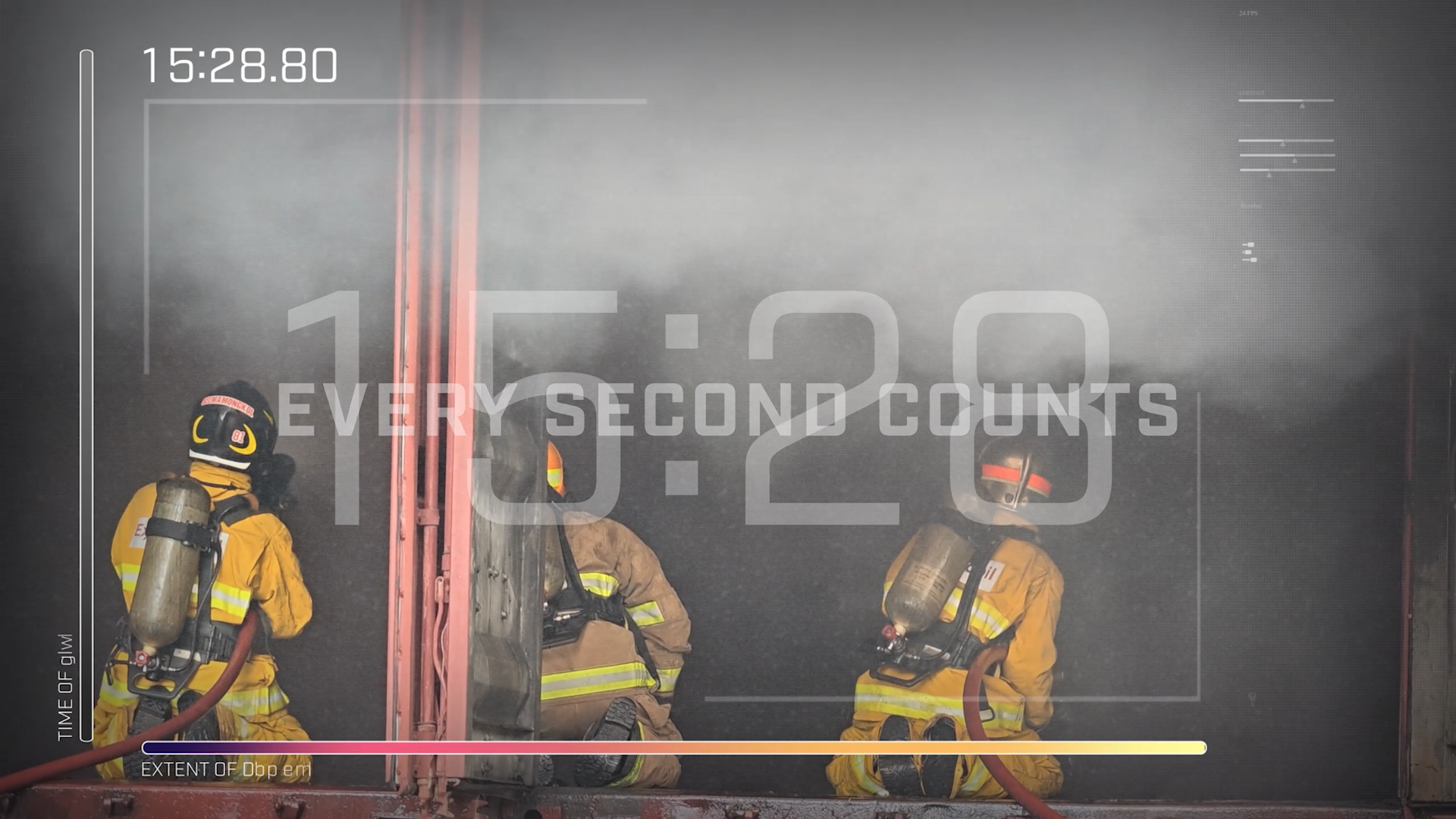
Every Second Counts

Flir EFD

Now Playing

UL-Listing
UL-Listing

Now Playing

Every Second Counts
Every Second Counts

Now Playing

Flir EFD
Flir EFD

Detection at the earliest point on the curve

Every fire starts as heat. Each conventional technology waits for a later signature: particles, visible smoke, flame, or heat at the ceiling. A thermal imaging fire detector measures the heat itself, before any of those exist.

Live video and temperature data with every alarm

Earlier Detection

Detects temperature change at the speed of light. Unaffected by high ceilings, cold environments, high airflow, or low visability.

Protected Uptime

The same information a Flir handheld captures on a walkthrough, now monitoring 24/7. Stream accurate temperature data into your SCADA and catch faults before a fire or shutdown.

Smarter Response

Every alarm arrives with live thermal and visual video and the measured temperatue. Operators verify, dispatch to the exact spot, and keep a recorded event history.

 Trusted across industries. Now trusted by the code.
 

Flir has designed and manufactured thermal imaging cameras for over five decades, supporting the professionals who keep industry safe and running. The same infrared technology now stands watch as a listed fire detector.

Flir in Utilities and Industry

Power utilities inspect transformers, breakers, insulators, and disconnects with Flir thermal imaging to find overheating before it becomes an outage or a fire, without de-energizing equipment. Fixed Flir cameras keep that watch continuous at substations and on production lines.

Learn more

Flir in Firefighting

Flir K-Series thermal imaging cameras go into the fire with the crew: seeing through smoke, locating victims, and tracking fire spread. The K-85-N is certified to NFPA 1930:2025 for firefighting thermal imagers.

Learn more

Flir in Research and Development

Science-grade Flir cameras record combustion, materials, and battery tests at high speed with radiometric accuracy, and are used by researchers studying thermal runaway in lithium-ion cells and modules. The A-Series fire detector is built on the same radiometric foundation.

Learn more

Where Conventional Detection Falls Short

High ceilings, high airflow, dust, and outdoor exposure can challenge conventional spot smoke and heat detection. A thermal imaging fire detector measures temperature across the entire scene and alarms on developing heat, providing earlier warning before smoke or flame appears.

BESS Sites

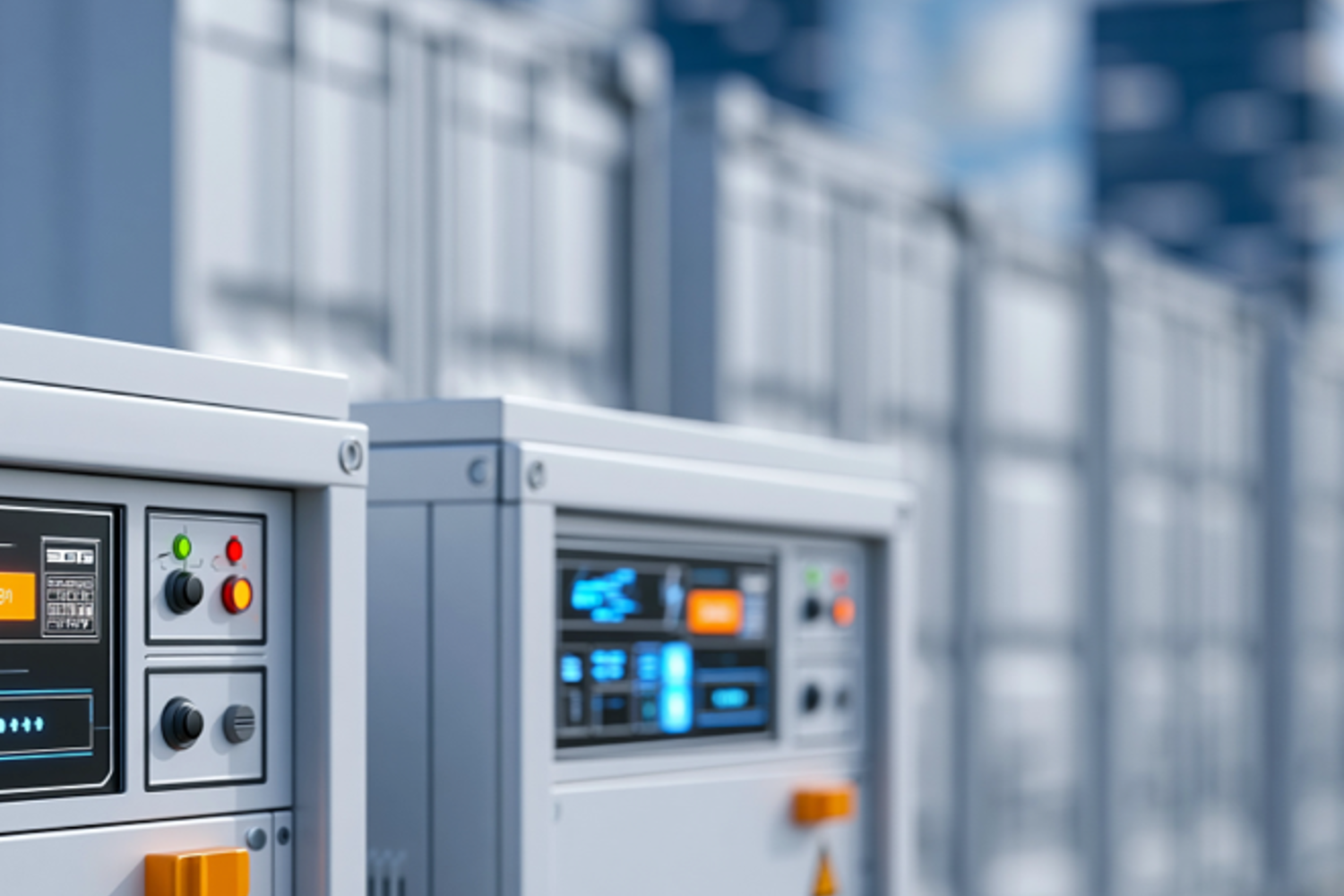
24/7 indoor and outdoor monitoring of containers and enclosures; the detection layer NFPA 855 designs call for.

Learn more

Data Centers

UPS battery rooms, PDUs, and electrical infrastructure, where a fault is measurable in heat long before it produces smoke.

Learn more

Manufacturing

Process lines, electrical rooms, and product storage where heat buildup precedes ignition.

Learn more

Solar Fields and Rooftop Arrays

Inverter, combiner box, and panel-level hot spot detection across field and rooftop installations.

Learn more

Heavy Industrial

Forest products, pulp and paper, metals, and other heavy industrial sites where dust, airflow, and open structures defeat conventional detection.

Learn more

Warehousing & High-Bay Racking

Wide-area coverage of rack storage and automated storage and retrieval systems where ceiling-mounted detection is slow to respond.

Learn more

Waste and Recycling

Tipping floors, bunkers, conveyors, and bale storage, with alarms on the hot spot rather than the smoke plume.

Learn more

Power Substations

Where outdoor exposure, airflow, and large open areas can delay smoke or heat from reaching traditional detectors, limiting early warning of developing equipment problems.

Learn more

UL logo

Detect faster. Respond smarter. Lead first.

Design the first thermal imaging fire detection system in your jurisdiction, your portfolio, or your service territory with a device that is listed, prescriptive under NFPA 72:2025, and supported by Flir from layout through commissioning.


Request Info

Optin

By submitting you agree to FLIR's privacy policy and cookie policy.

From the Discover Center

Whitepaper

The Difference Between a Warning and a Write-Off: How Thermal Intelligence Is Changing Cotton Harvester Fire Prevention

Read More
Application Story

Early Fire Detection for Tough Outdoor Environments

Read More

A Smarter Approach to Industrial Fire Prevention with Thermal Intelligence

Read More
Fundamentals

Flir Solutions for Early Fire Detection (EFD)

Read More
Fundamentals

Mill Ladle Refractory Monitoring

Read More

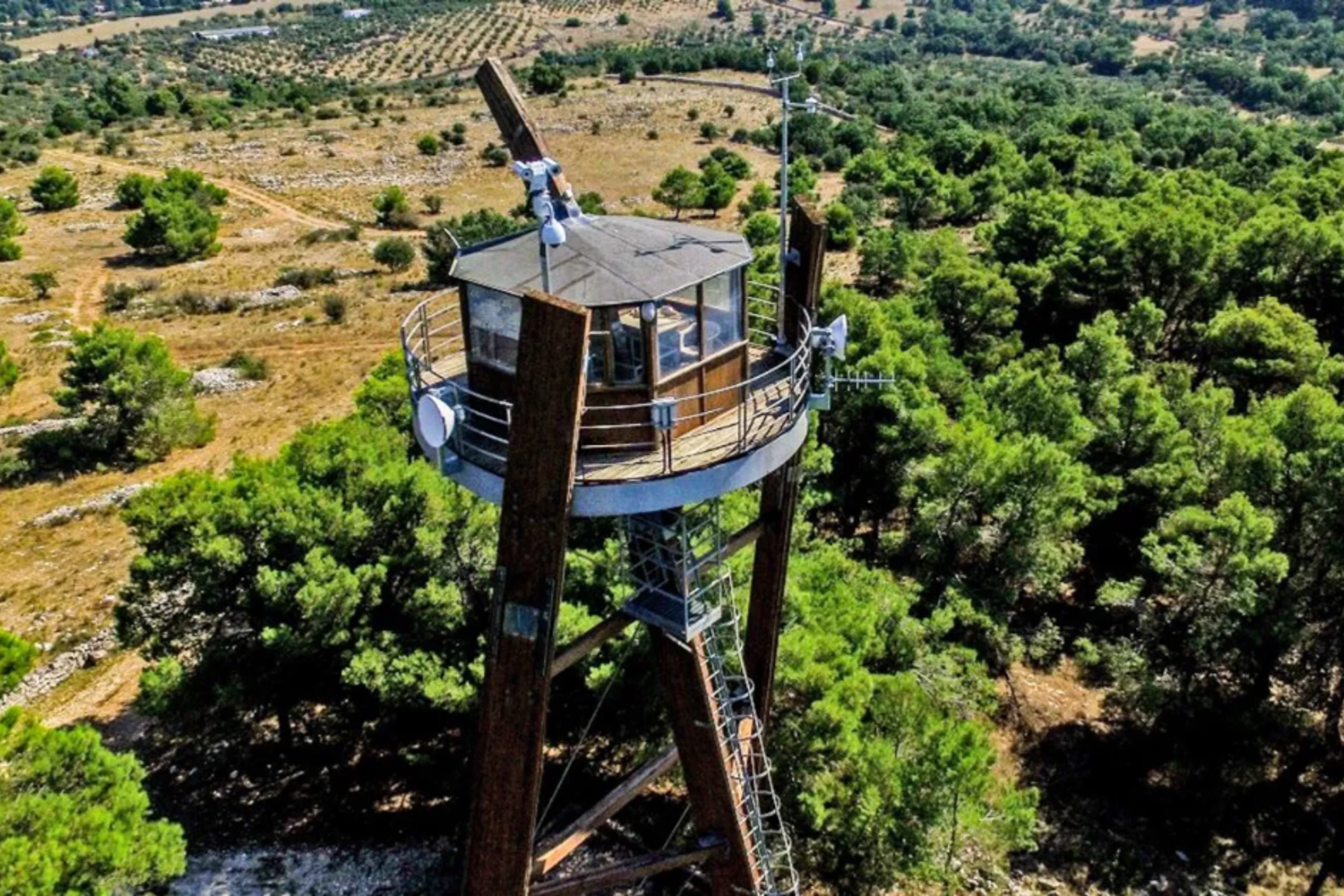
Flir Helps Prevent Forest Fires in Southern Italy

Read More
Application Story

Powered by Flir: How FlameSmart is Redefining Fire Protection in Waste Facilities

Read More