
Introducing code-compliant early fire detection

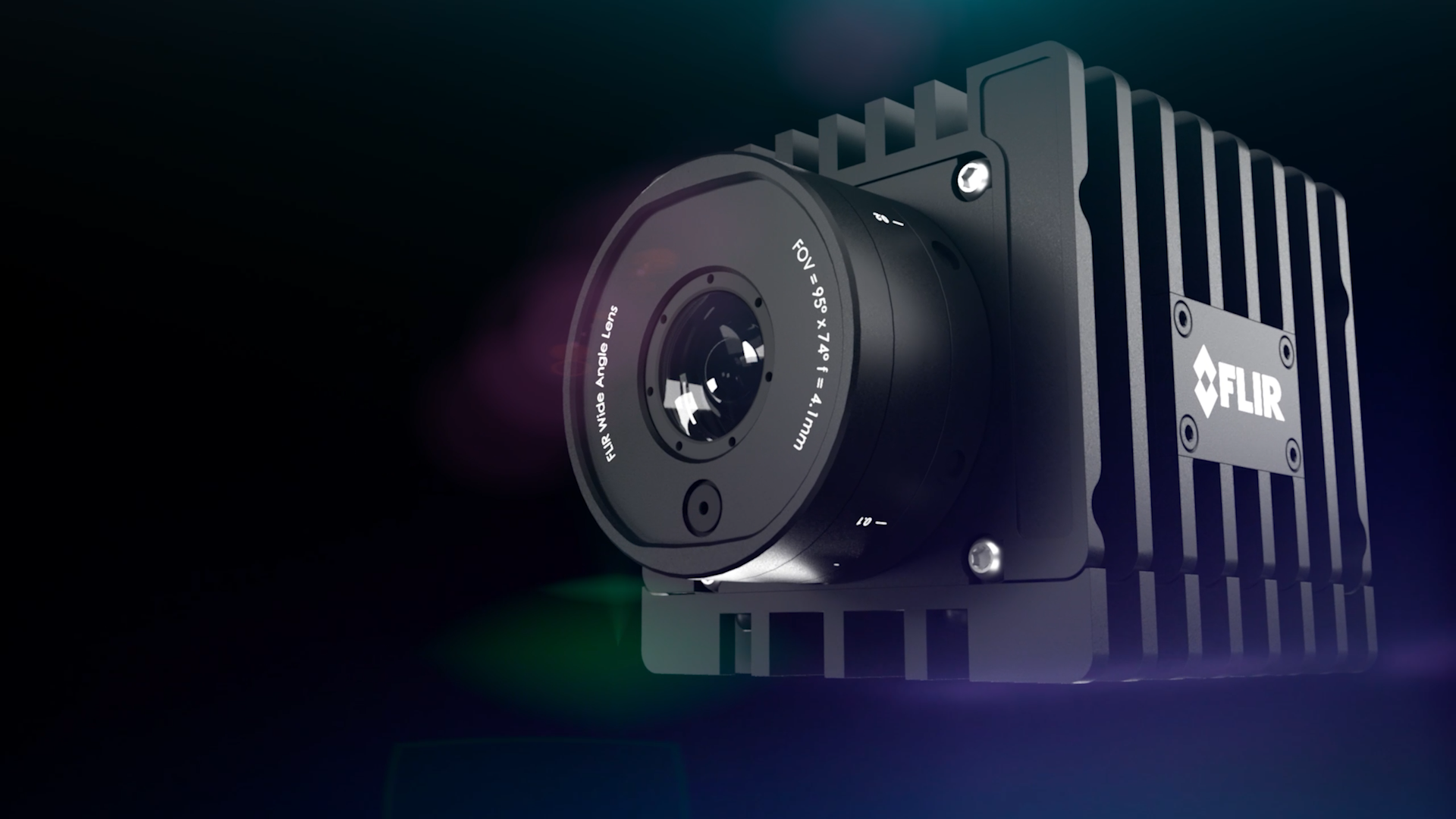
Two models, one listing. The A70 is the highest-performance option: longer range and multiple zones from a single camera. The A40 covers a single zone or room with the same alarm logic and outputs. Both pair a factory-calibrated thermal core with a 1280 × 960 visual camera, so operators see what tripped the alarm.


Specifications

Compare the performance, detection capabilities, and integration features of the FLIR A40 EFD and A70 EFD thermal image fire detectors.

SPECIFICATION FLIR A40 EFD FLIR A70 EFD
IR resolution 320 × 240 640 × 480
Visual resolution 1280 × 960 1280 × 960
Thermal sensitivity (NETD) 35 mK 35 mK
Accuracy ±2°C (±3.6°F) or ±2% of reading ±2°C (±3.6°F) or ±2% of reading
Lens options 29°, 51°, 95° 29°, 51°, 95°
Detection distance
3 × 3 pixel design basis
(12 in × 12 in target)
29°: 197 ft (60 m)
51°: 115 ft (35 m)
95°: 60 ft (18 m)
29°: 410 ft (125 m)
51°: 230 ft (70 m)
95°: 98 ft (30 m)
On-camera alarm logic Up to 20 ROIs: threshold, rate-of-rise, delta, area-percentage Up to 20 ROIs: threshold, rate-of-rise, delta, area-percentage
Digital outputs 3 × opto-isolated, 0–48 V DC, 350 mA max; 1 × dedicated NC fault output 3 × opto-isolated, 0–48 V DC, 350 mA max; 1 × dedicated NC fault output
Data interfaces Ethernet/IP, Modbus TCP, MQTT, REST, ONVIF-S Ethernet/IP, Modbus TCP, MQTT, REST, ONVIF-S
Power 7.5 W at 24 V DC typical (~0.31 A); PoE 802.3af class 3; 18–56 V DC allowed 7.5 W at 24 V DC typical (~0.31 A); PoE 802.3af class 3; 18–56 V DC allowed
Environmental IP66 IP66

Design coverage to the 3 × 3 pixel figures. Single-pixel sensing extends farther but is not a design basis. Full specifications, including single-pixel detection distances and operating temperature, are in the datasheet.


Integrates with the Fire Panel, VMS, and SCADA

Three integration pathways connect thermal fire detection to existing alarm, video monitoring, and building management systems.

⚠
FIRE ALARM

Fire Alarm Control Panel


Alarm, supervisory, and fault dry-contact outputs through listed addressable input modules on the signaling line circuit (SLC), with 24 V DC supervised power.

▶
VIDEO & CLOUD

Video Management or Cloud Monitoring


On-premise: ONVIF video, overlays, and alarm events to Flir Latitude or any ONVIF VMS. Cloud: alarm handling, temperature trending, and mobile alerts via Flir Aura.

⇄
DATA INTEGRATION

SCADA & Building Management


Temperatures, alarm status, and diagnostics over Modbus TCP, with polled or event-driven communication for SCADA and building management systems.

One thermal detection platform. Three ways to connect.


Monitoring Software

The camera alarms on its own. Software adds the viewing, evidence, and remote alerting each site needs.


FLIR Aura

Cloud-based monitoring


Cameras connect through the internet, a cellular router, or Starlink and send images rather than video, so remote and low-bandwidth sites get direct-to-alarm coverage without a network build-out. Adds user-defined alarm logic, AI that excludes vehicles so the earliest alarms are real, and alerts straight to a phone.

Learn More


FLIR Latitude

Video management system


Live thermal and visual video from every camera, recorded and retained for evidence, with alarms surfaced in the operator's view. The standard choice where the site has a network and a monitoring room.


LEARN MORE

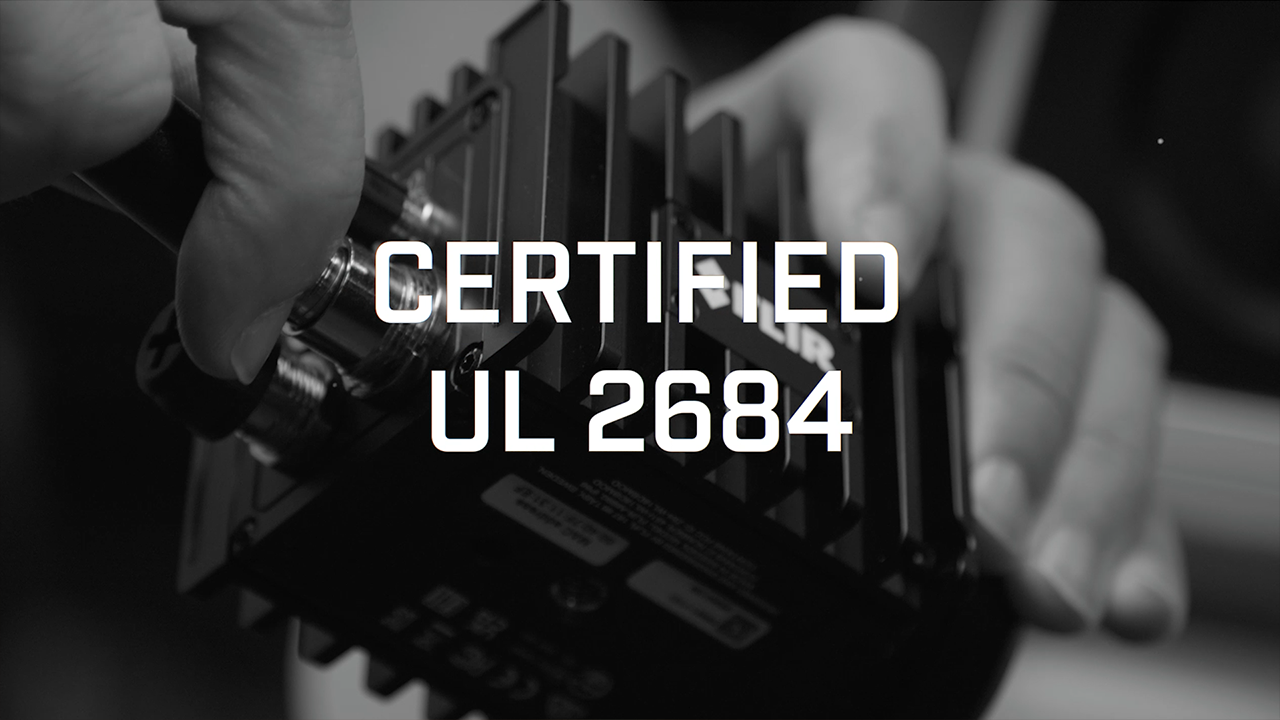
UL-Listing

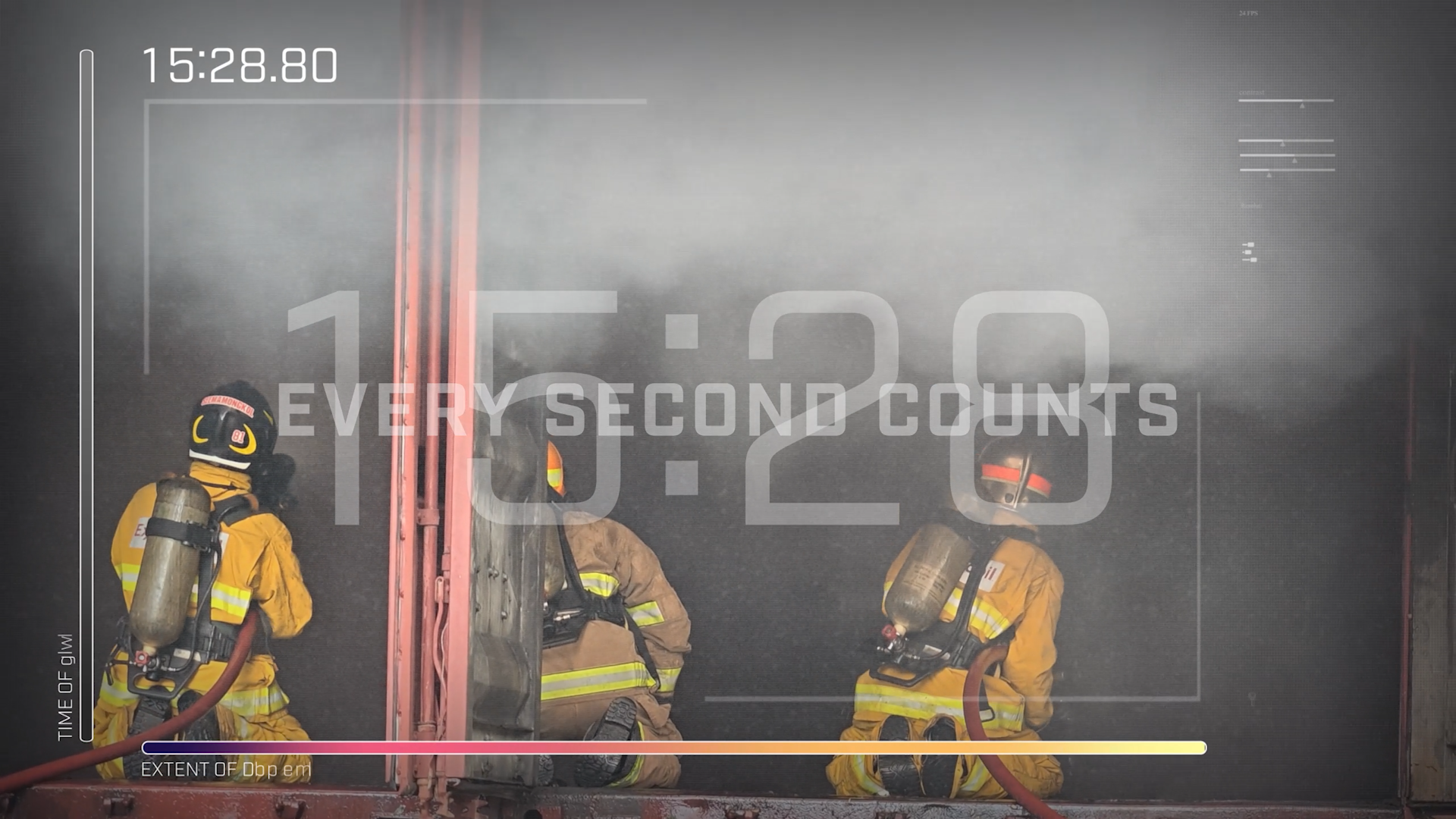
Every Second Counts

Flir EFD

Now Playing

UL-Listing
UL-Listing

Now Playing

Every Second Counts
Every Second Counts

Now Playing

Flir EFD
Flir EFD

Early Fire Detection by the A70


  • 640 × 480 radiometric thermal imaging plus a 1280 × 960 visual camera for instant context at alarm

  • 35 mK thermal sensitivity and ±2°C accuracy, calibrated at every pixel

  • On-camera alarm logic with up to 20 regions of interest: threshold, rate-of-rise, delta, and area-percentage triggers

  • Alarm, supervisory, and fault dry-contact outputs to the fire alarm control panel; Modbus TCP, MQTT, Ethernet/IP, and ONVIF for SCADA, BMS, and VMS

  • 29°, 51°, and 95° lens options with 3 × 3 pixel detection distances to 125 m (410 ft)

  • IP66, 24 V DC or PoE, rated for indoor and outdoor installation

BESS Sites

24/7 indoor and outdoor monitoring of containers and enclosures; the detection layer NFPA 855 designs call for.

Learn more

Data Centers

UPS battery rooms, PDUs, and electrical infrastructure, where a fault is measurable in heat long before it produces smoke.

Learn more

Manufacturing

Process lines, electrical rooms, and product storage where heat buildup precedes ignition.

Learn more

Solar Fields and Rooftop Arrays

Inverter, combiner box, and panel-level hot spot detection across field and rooftop installations.

Learn more

Heavy Industrial

Forest products, pulp and paper, metals, and other heavy industrial sites where dust, airflow, and open structures defeat conventional detection.

Learn more

Warehousing & High-Bay Racking

Wide-area coverage of rack storage and automated storage and retrieval systems where ceiling-mounted detection is slow to respond.

Learn more

Waste and Recycling

Tipping floors, bunkers, conveyors, and bale storage, with alarms on the hot spot rather than the smoke plume.

Learn more

Power Substations

Where outdoor exposure, airflow, and large open areas can delay smoke or heat from reaching traditional detectors, limiting early warning of developing equipment problems.

Learn more

From the Discover Center

Whitepaper

The Difference Between a Warning and a Write-Off: How Thermal Intelligence Is Changing Cotton Harvester Fire Prevention

Read More
Application Story

Early Fire Detection for Tough Outdoor Environments

Read More

A Smarter Approach to Industrial Fire Prevention with Thermal Intelligence

Read More
Fundamentals

Flir Solutions for Early Fire Detection (EFD)

Read More
Fundamentals

Mill Ladle Refractory Monitoring

Read More

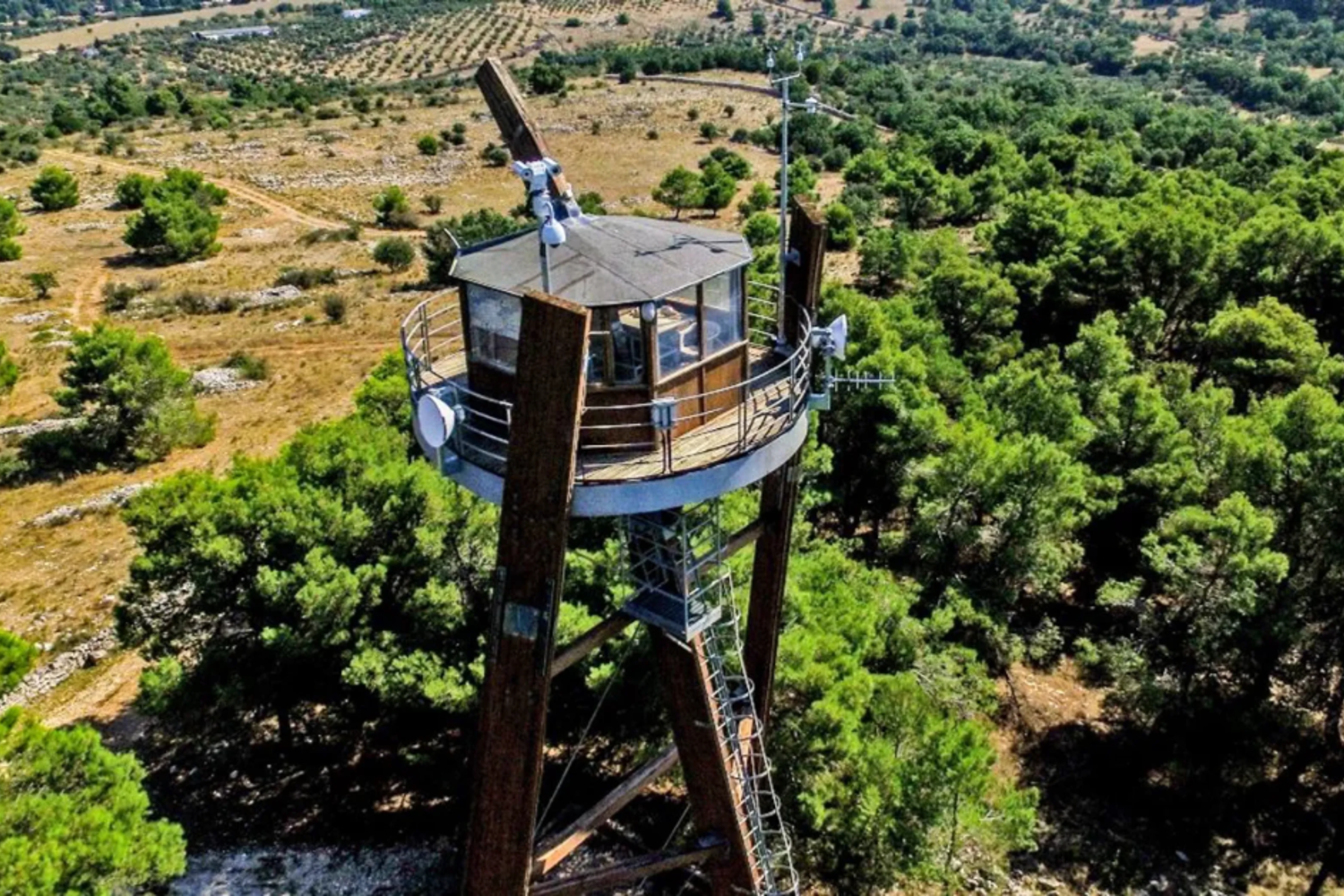
Flir Helps Prevent Forest Fires in Southern Italy

Read More
Application Story

Powered by Flir: How FlameSmart is Redefining Fire Protection in Waste Facilities

Read More


Request Info

Optin

By submitting you agree to FLIR's privacy policy and cookie policy.